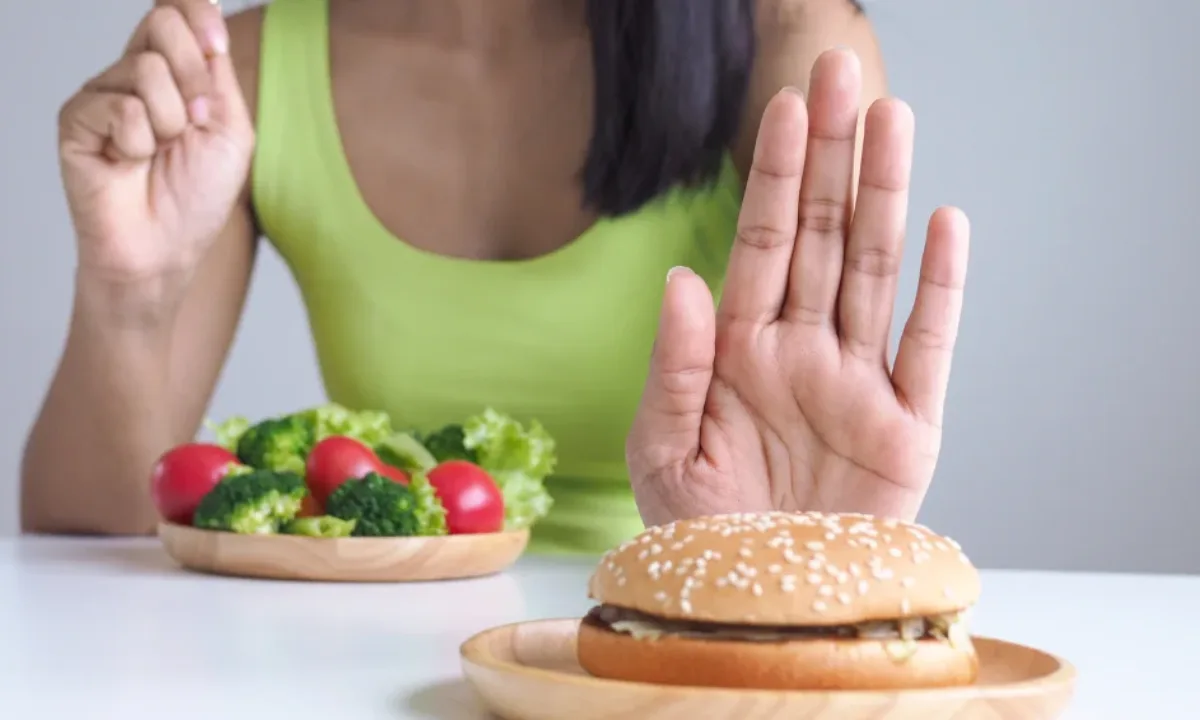
Food Expiry Dates You Should Never Ignore
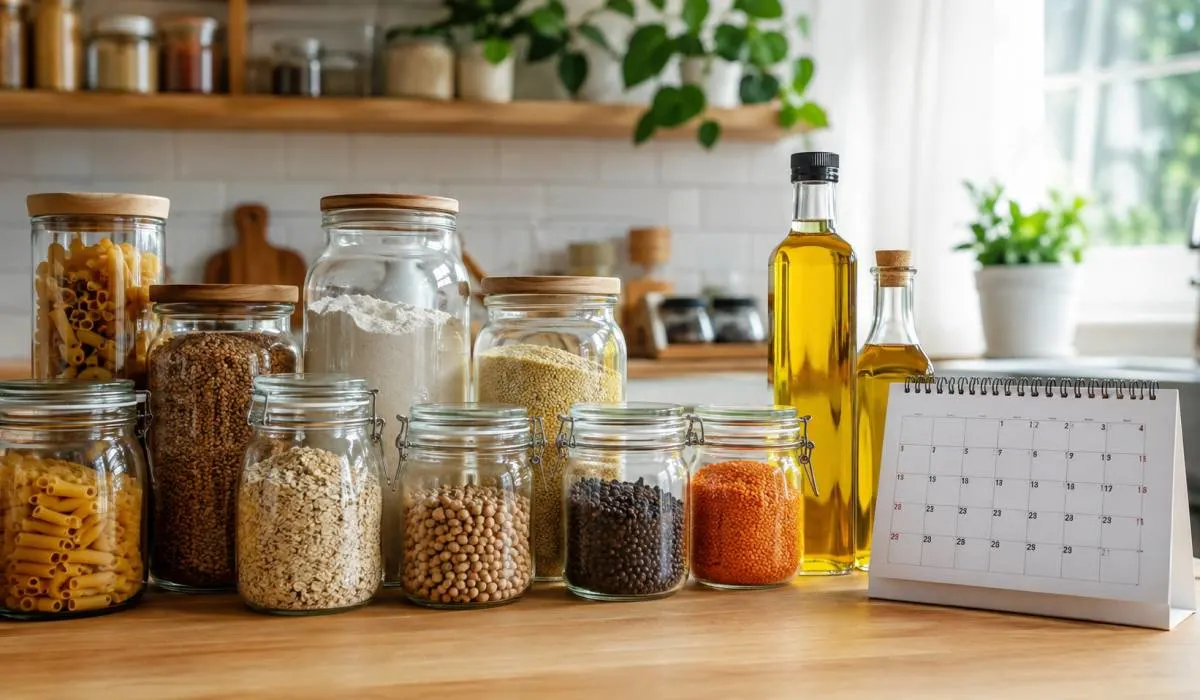







Knowing what food Expiry Dates You Should Never Ignore will help your health, save the health risks of foodborne illness. Foods are safe beyond their best-before date but some are unsafe to eat after the use-by or expiry date.
Each cooking oil, nut, condiment, olive, yeast, coleslaw and fresh vegetables such as fiddleheads have different shelf life and storage requirements. Use your senses to determine if food is ready to be thrown out by smelling, looking for mold, feeling for any changes in texture or tasting the food for any unusual tastes.
In this guide, you'll learn about the Food Expiry Dates You Should Never Ignore and discover some easy tips to help make your kitchen a safe place and your meals fresh.
Deciphering those dates
Food dating in general, best buy, best before, and best before end dates indicate quality; the date by which the food product is considered at its best is unrelated to food safety; expiry and use-by dates refer to food safety consuming after this date may cause illness all within the UK, Australia, and Canada; US federal law only mandates product dating on baby formula and packaging dates are not always indicative of food safety.
In fact, if food appears or smells off, or its texture and color seem unusual, err on the side of caution whether or not the specified date on its packet has come to fruition.
Read More: Quick Midweek Dinners Under an Hour: Easy Speedy Suppers
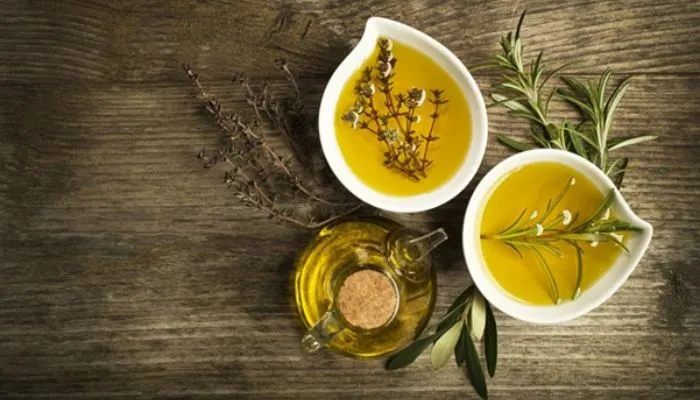
Cooking oil
It might seem like it should last a lifetime but cooking oils actually have an expiry date and to enjoy food at its most delicious, checking it is well worth it. Most cooking oils last for about six months after you open them (and even longer if you store them out of direct light and from heat) and when oil is past its best it will smell, and taste, rancid and slightly bitter, and could seep into your food.
Nuts
What foods can expire? How nuts are different the concept that nuts don’t can be correct to a certain degree when you pull out some to snack on long after you have opened the package.
Though not in the sense that other foods expire, this is true due to the high unsaturated fat content: Nuts can go off (or rancid). How to know your nuts have expired: The nutty smell (or lack of it), taste (that unpleasant flavor), and texture (that is softer or changes) are the key signals to look for.
Fiddleheads
Fiddleheads, which are the rolled-up, eatable parts of the ostrich fern, are considered a delicacy in North America, but also a source of food poisoning if they aren't handled properly storing, preparing, and cooking as needed.
Wash fiddleheads and store them in the refrigerator for no longer than a week, but always boil or steam them until tender. Never eat them raw. Always throw away cooking water.
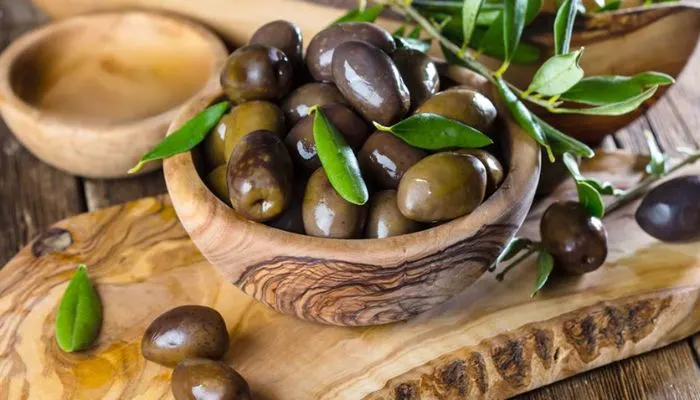
Olives
Olives like other foods often package and preserve in brine last a long time. The telltale signs they have turned past their prime will be a foul odor, and more likely, mold growing on the surface of the brine.
Extend olives shelf life, though, with adequate storage in the refrigerator; limit the amount of oxygen that can reach them in the jar.
Condiments
We’ve all been guilty: we’ve taken a bottle of mayonnaise or jar of mustard from the back of the fridge, and you cannot for the life of you remember how long it’s been there.
But even if the idea of chowing down on your soggy ham sandwich with this very dodgy condiment might appeal, once you open a jar of mayonnaise or bottle of mustard, it basically says “come on in! Plenty of bacteria in here for you!” To set you some general standards, once you open it, people generally accept mustard will live for up to a year in the fridge but mayonnaise will do well to get to two months old.
The vast majority of ketchups have a life of six months even when you keep them in the fridge but if you notice any sign of moulding, a weird smell or a bit of water on the surface – save yourself the agony and give it a wide berth.
You May Also Read: Low-Oil Vegetarian Recipes for Heart Patients: 7-Day Plan
Yeast
When was the last time yeast was baked with by you? This store cupboard essential may have been at the back of the cupboard longer than was thought by you! Which is the sad truth, by the time baking comes to be done, it’s well past its date! Freshly bought dry yeast is far more effective at giving the airy lift required for your bread to avoid baking failures.
For a quick test to ensure that freshness is maintained in your yeast, mixing together should be done with warm water and a little sugar, and it should be expected to bubble within 10 minutes.
Coleslaw
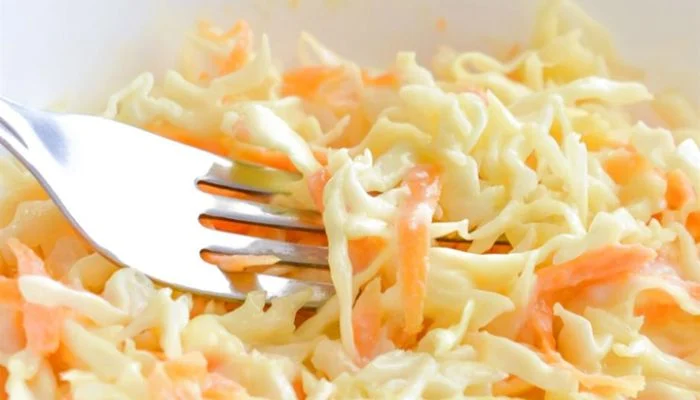
Just like potato salad, coleslaw is a mayonnaise-based food that will last between three and five days once someone purchases it. If you leave it any longer, the zingy salad becomes susceptible to bacteria proliferation.
For this reason, too, if you have made an enormous amount of coleslaw for a function and have left it uncovered out of the refrigerator for more than two hours, you might consider throwing away your entire delicious, freshly chopped concoction – particularly if someone has allowed it to sit in the sun.
FAQs
1. What is the difference between a best-before date and an expiry date?
A best-before date indicates food quality, while an expiry or use-by date is related to food safety and should not be ignored.
2. Can cooking oil go bad?
Yes. Cooking oil can become rancid after opening, usually within about six months, especially if stored in heat or direct sunlight.
3. How can I tell if nuts have expired?
Expired nuts often have a bitter taste, a stale or unpleasant smell, and a soft or unusual texture.
4. How long does mayonnaise last after opening?
Opened mayonnaise is generally best used within two months when stored properly in the refrigerator.
5. What are the signs that food should be thrown away?
Discard food if it has mold, a sour or foul smell, unusual color, strange texture, leaking packaging, or has passed its use-by date.